
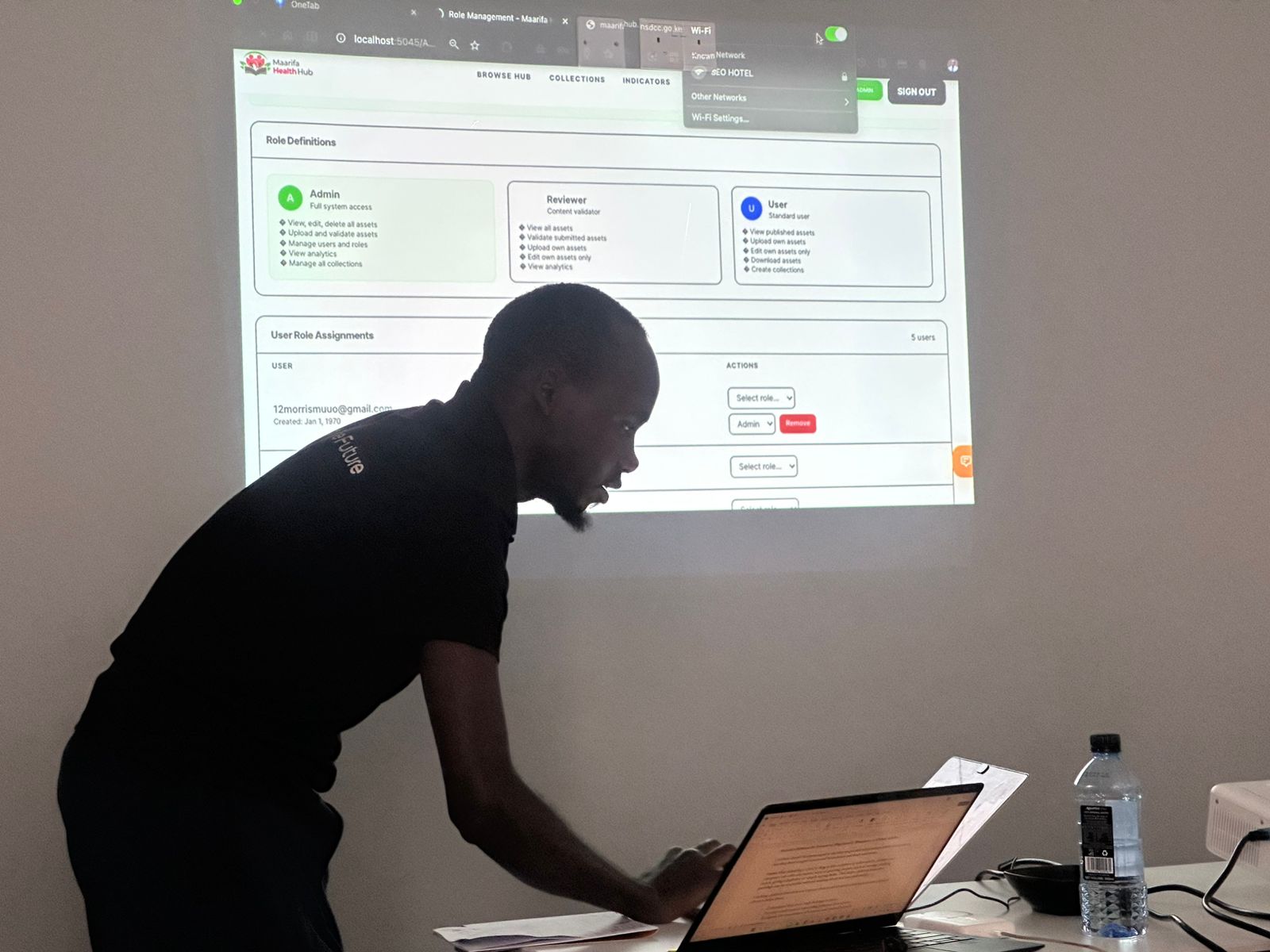


The National Syndemic Diseases Control Council (NSDCC), in collaboration with various stakeholders, is developing the Maarifa Health Hub, a digital platform that will improve equitable access to quality, evidence-based HIV prevention information for adolescents, young people, adults, key and vulnerable populations, and the general public. The platform provides guidance on a range of prevention options, including abstinence, correct and consistent condom use, HIV testing services, pre-exposure prophylaxis (PrEP), post-exposure prophylaxis (PEP), voluntary medical male circumcision (VMMC), treatment as prevention (TasP), and other proven interventions. It also offers timely information on accessing PEP within 72 hours following potential HIV exposure.
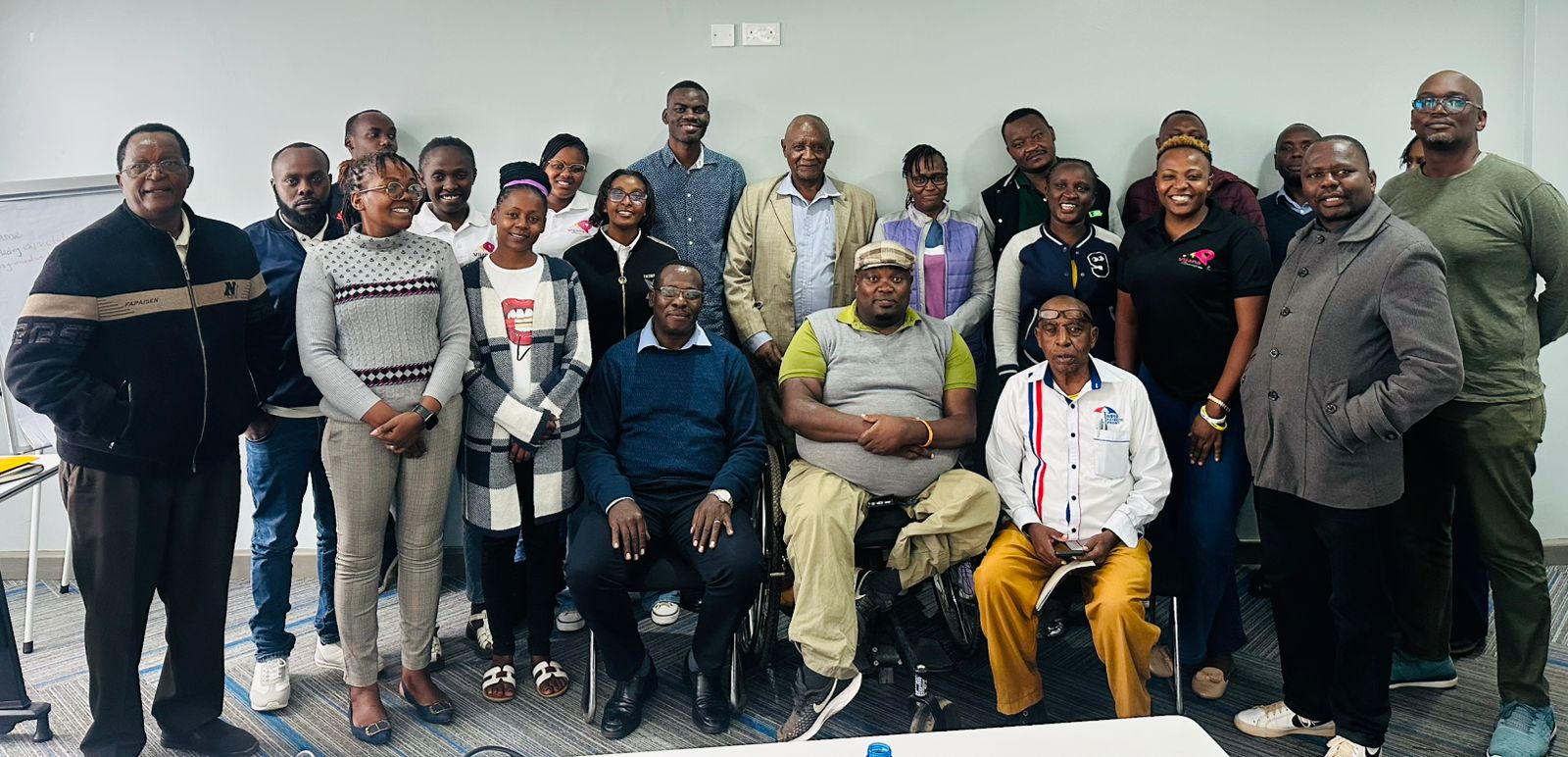
Speaking during the stakeholder validation meeting, NSDCC Director of Health Promotion and Programme Management, Dr. Stephen Ndolo, described the Maarifa Health Hub as “a great innovation in ensuring access to comprehensive HIV combination prevention messages,” noting that the platform will expand access to reliable prevention information and support informed decision-making among diverse populations.
Envisioned as a national health promotion and knowledge management platform, the Maarifa Health Hub will support the delivery of accurate, age-appropriate and audience-specific information through community dialogues, school health programmes, youth engagement initiatives and other health promotion and social and behaviour change interventions. The platform is also expected to strengthen collaboration among government, development partners, civil society, academia, the private sector, communities and young people in the co-creation and dissemination of HIV prevention content.
During the validation meeting, participants explored opportunities to enhance the platform through complementary digital innovations, including a mobile application, to improve accessibility and reach. They also committed to championing the platform by integrating its resources into their programmes and promoting its use during community engagements. Increased uptake of the hub is expected to strengthen HIV and other syndemic disease prevention literacy, encourage informed health decisions, increase demand for prevention services, and contribute to reducing new HIV infections.
𝐌𝐚𝐚𝐫𝐢𝐟𝐚 𝐇𝐞𝐚𝐥𝐭𝐡 𝐇𝐮𝐛 𝐒𝐞𝐭 𝐭𝐨 𝐄𝐧𝐡𝐚𝐧𝐜𝐞 𝐀𝐜𝐜𝐞𝐬𝐬 𝐭𝐨 𝐇𝐈𝐕 𝐏𝐫𝐞𝐯𝐞𝐧𝐭𝐢𝐨𝐧 𝐈𝐧𝐟𝐨𝐫𝐦𝐚𝐭𝐢𝐨𝐧
Share This Story, Choose Your Platform!
About the Author: Evance Ogondi





Leave A Comment