
Summary
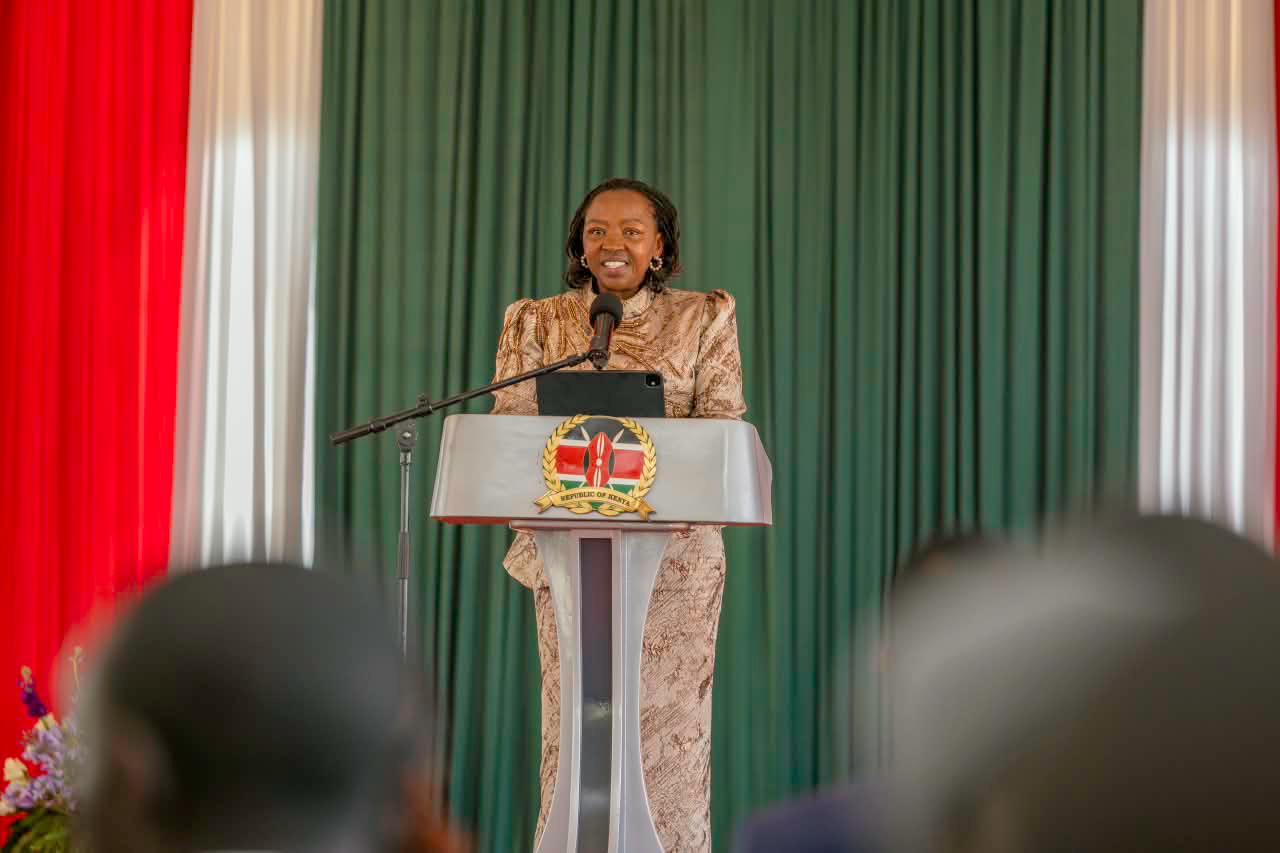
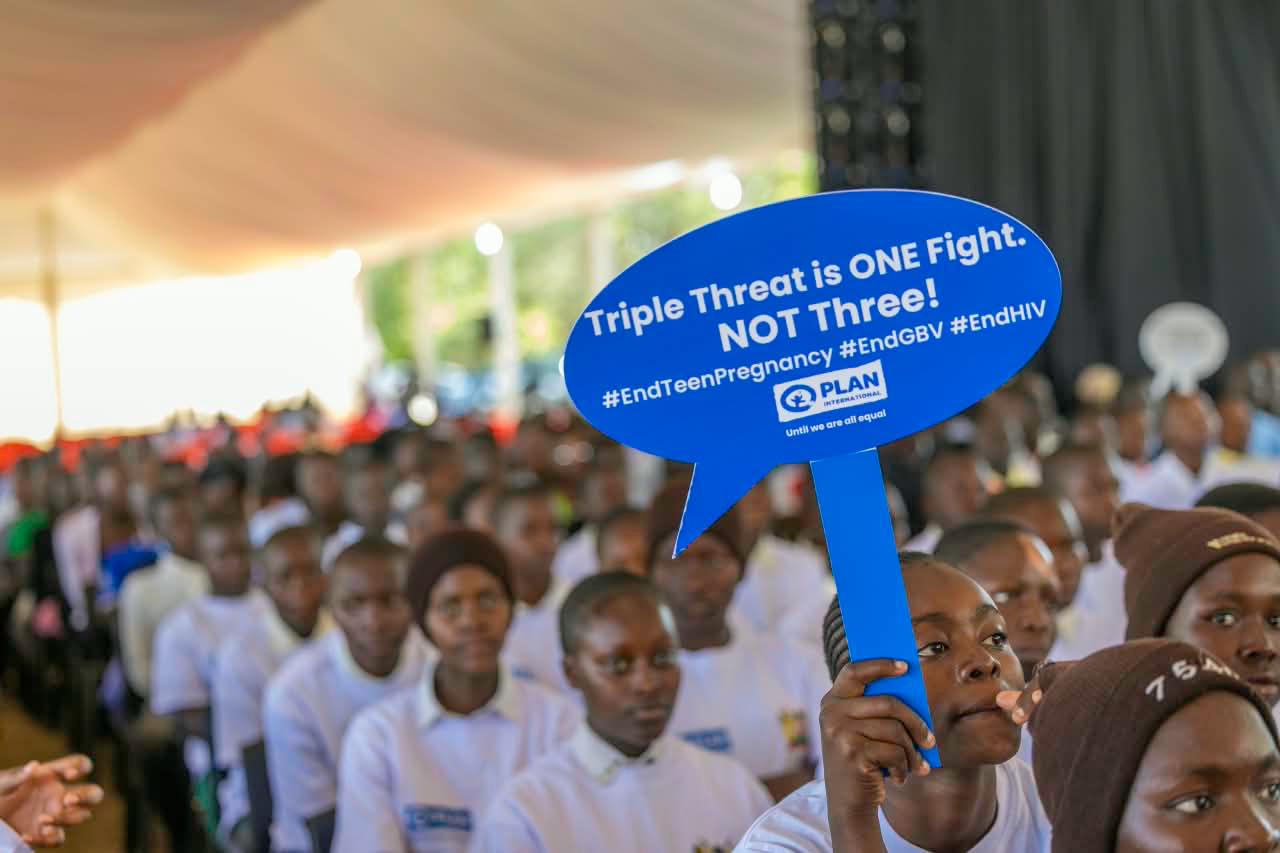
HOMA BAY, August 2026 — First Lady of the Republic of Kenya, Her Excellency Mrs. Rachel Ruto, has called for stronger community action to protect adolescents and young people from new HIV infections, adolescent pregnancies and sexual and gender-based violence (SGBV), collectively known as the Triple Threat.
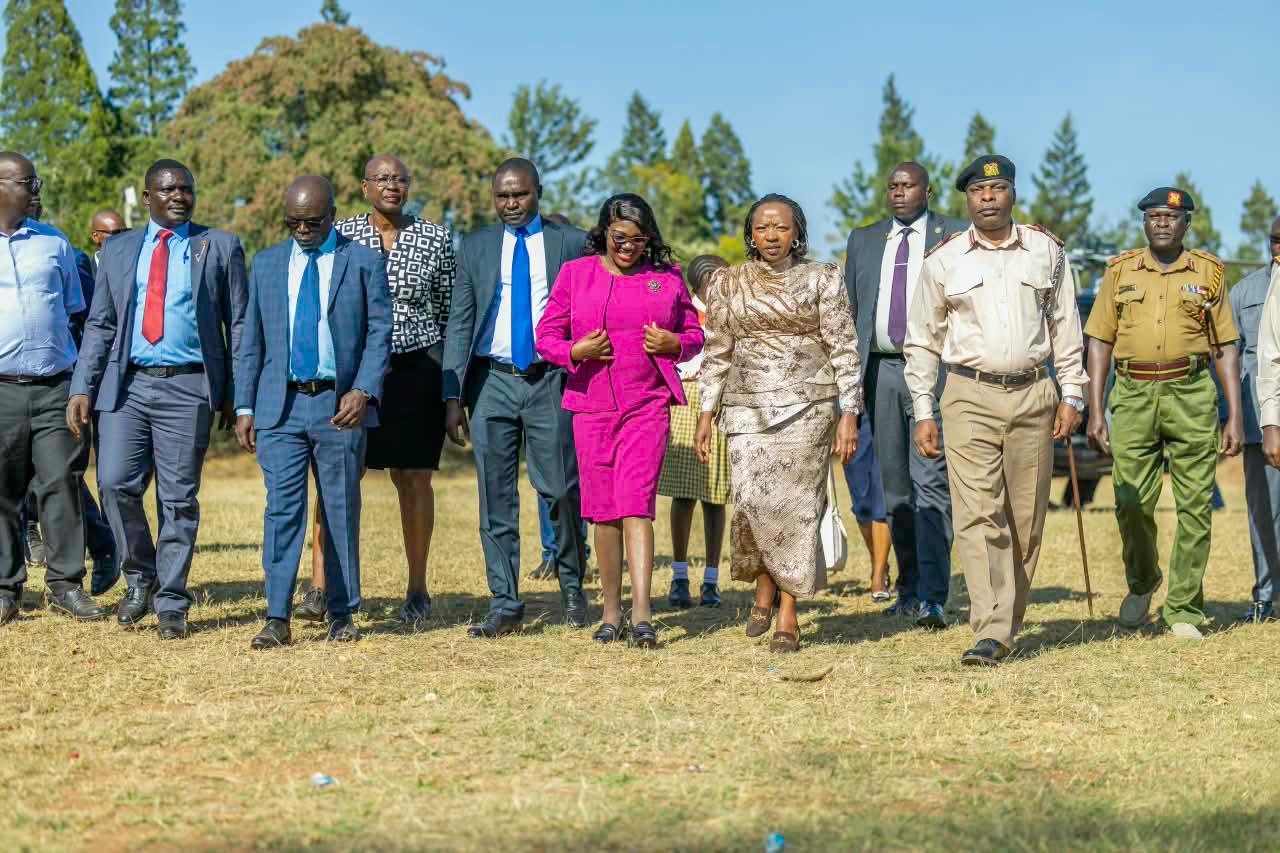
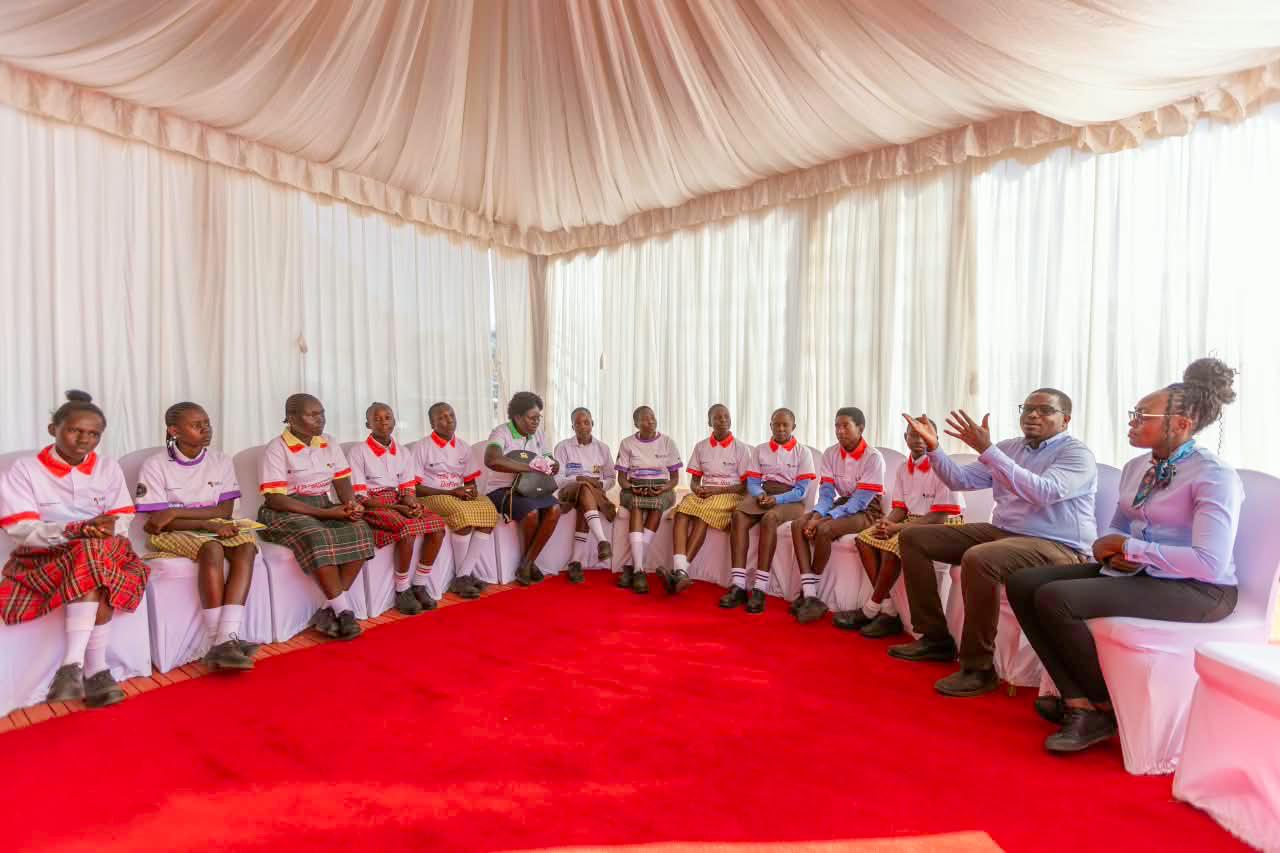
The First Lady made the call at Mawego National Polytechnic in Homa Bay County, where she joined the National Syndemic Diseases Control Council (NSDCC) through the Ministry of Health, the Homa Bay County Government, government agencies, development partners and thousands of community members for a high-level community dialogue on the Triple Threat.
The engagement brought together stakeholders around a common message: protecting Kenya’s young people requires coordinated action that tackles the interconnected factors driving vulnerability to HIV, adolescent pregnancy and SGBV.
The urgency is underscored by Homa Bay’s latest data. The county has an HIV prevalence of 11.74 per cent, with adolescents aged 10–19 accounting for 205 of the 997 new HIV infections, representing 20.6 per cent of all new infections. The figures are based on the 2026 estimates presented during the Triple Threat meeting.
Adolescent pregnancy remains another critical concern. In 2025, the county recorded 7,582 adolescent pregnancies among girls aged 10–19, including 366 among girls aged 10–14 and 7,216 among those aged 15–19.
The county also reported 379 SGBV cases among adolescents aged 10–17 in 2025. Of these, 147 eligible survivors were initiated on post-exposure prophylaxis (PEP), while 117 were eligible for emergency contraception.
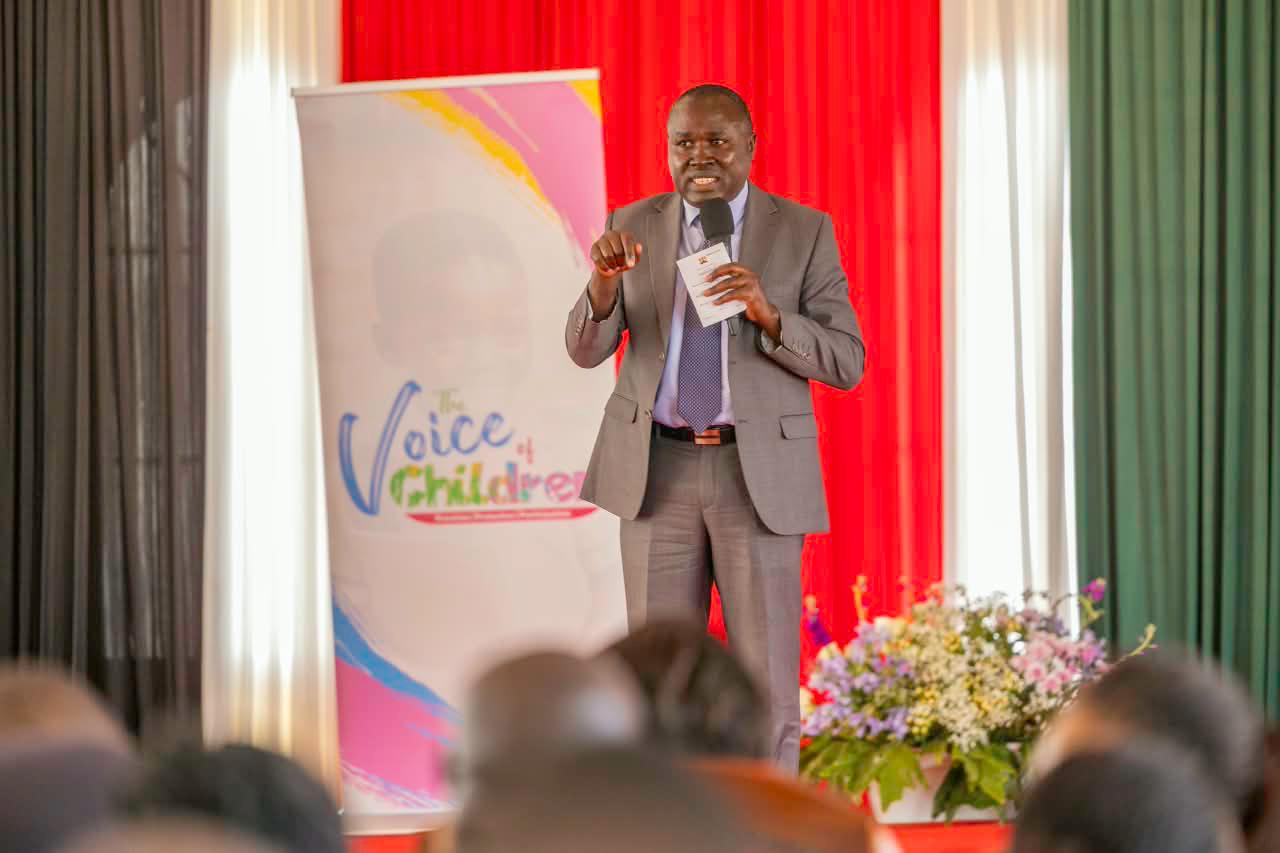
Against this backdrop, NSDCC Chief Executive Officer Douglas Bosire said Kenya must intensify prevention efforts to ensure that progress made in the HIV response is not undermined by continued new infections among young people.
“We have made significant progress in the HIV response, but the continued vulnerability of adolescents and young people demands renewed and coordinated action. We cannot address HIV, adolescent pregnancies and SGBV in isolation because these challenges are interconnected,” said the CEO.
He called for stronger collaboration among national and county governments, communities, parents, schools, health providers, development partners and young people to address the drivers of the Triple Threat.
“Our young people need accurate information, access to youth-friendly health services, protection from violence and the opportunity to make informed decisions about their health and future. Ending the Triple Threat is a shared responsibility,” he said.
The First Lady was accompanied by Principal Secretary for Medical Services, Dr. Ouma Oluga and H.E. Gladys Wanga, EGH Governor, Homa Bay County. Her participation in the dialogue was part of the Organization of African First Ladies for Development (OAFLAD)’s advocacy efforts to advance the health and well-being of women, children and young people.
The dialogue reinforced the need for communities to move from awareness to action by strengthening prevention, early intervention, access to comprehensive health information and services, protection from SGBV and support for adolescents and young people.
NSDCC is calling on all stakeholders to renew their commitment to ending the Triple Threat and creating an environment where every young person can access the information, services and protection they need to make healthy choices and realise their full potential.


Leave A Comment