

Summary
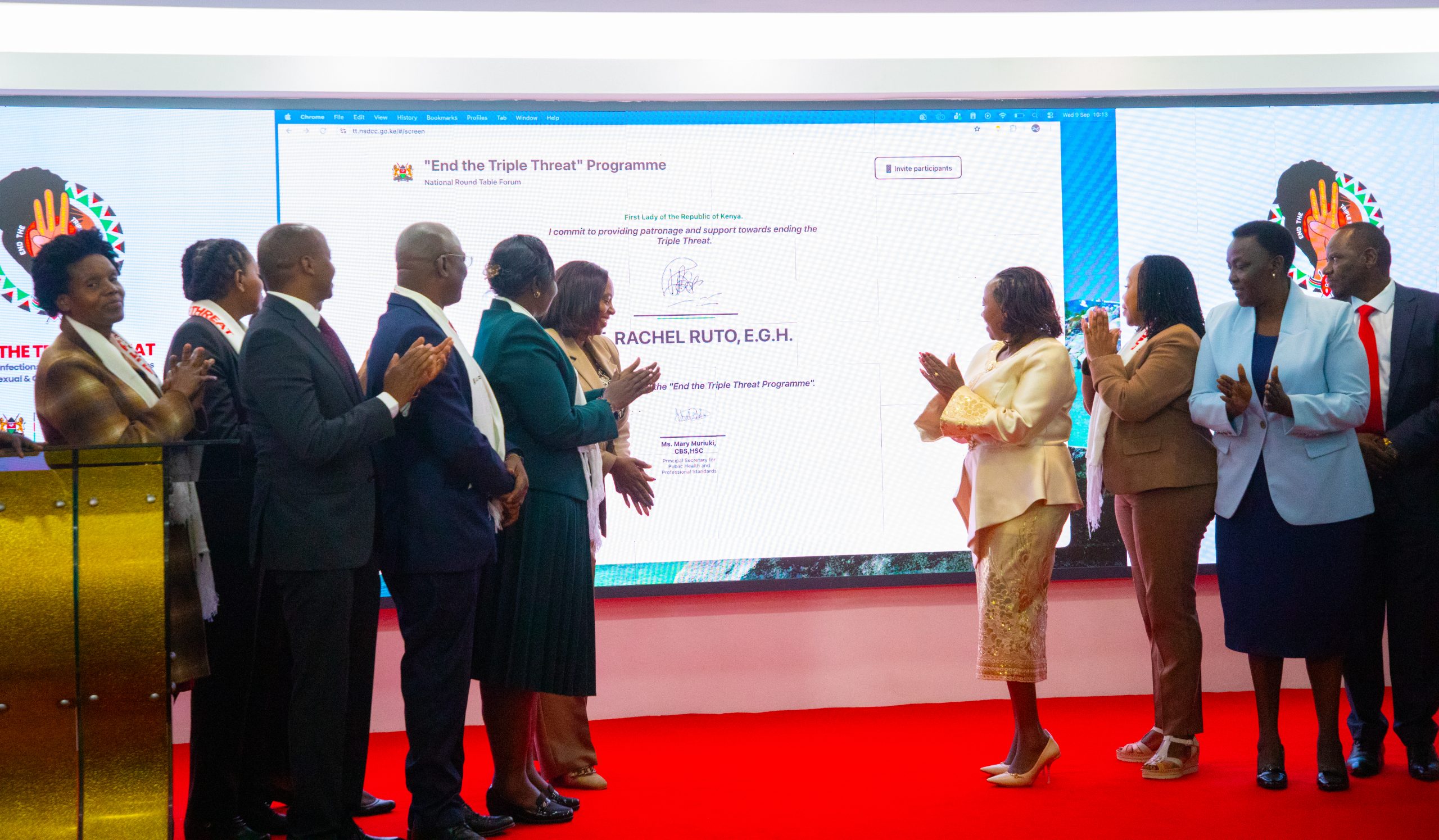
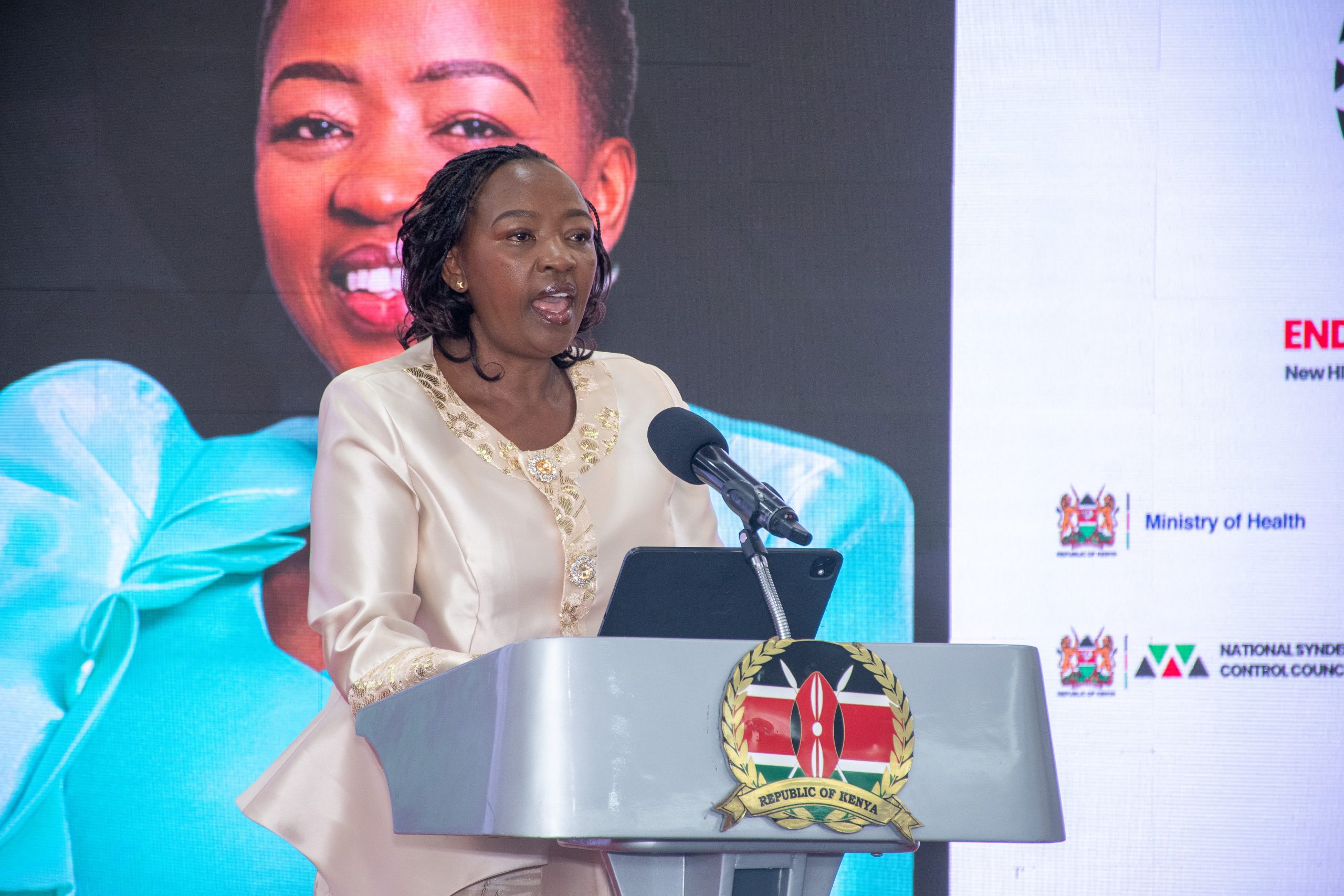
First Lady H.E. Rachel Ruto has led national and development partners in signing a Call to Action to End the Triple Threat of new HIV infections, adolescent pregnancy and sexual and gender-based violence (SGBV) among young people.
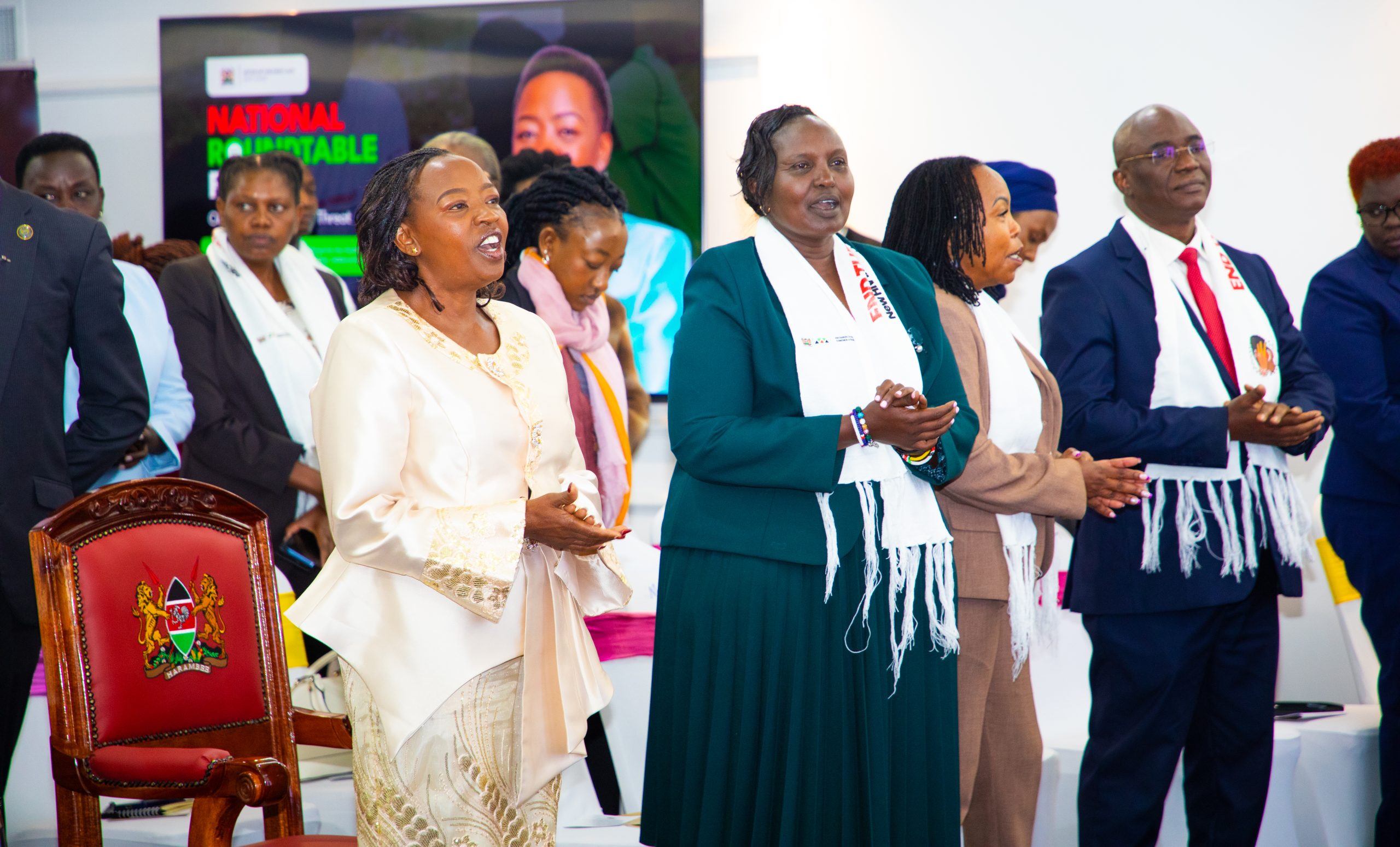
The commitment was made during a high-level roundtable convened by the National Syndemic Disease Control Council (NSDCC), bringing together government, county leadership, Parliament, development partners and young people.
The First Lady signed the commitment plan alongside national and county leaders and development partners. The signing was witnessed by Principal Secretary Mothoni, Ministry of Health representatives, UNAIDS Kenya Country Director Dr Richard Amenyah, governors and senators, among other stakeholders.
The plan seeks to translate evidence and young people's lived experiences into clear, measurable and time-bound action to strengthen prevention, protection and access to adolescent-friendly services.
The urgency of the challenge was underscored by Farida, a young survivor from Dandora, who shared her experience of facing all three threats, including becoming pregnant at the age of 15.
Principal Secretary Mothoni Njuki said Farida’s experience reflected the realities behind the statistics and called for collective action.
“The triple threat of adolescent pregnancy, new HIV infections and sexual and gender-based violence is not a collection of distant statistics. It is the lived reality of our daughters, sons and communities. These interconnected threats put an entire generation at risk, its potential, education and dignity. This is a call to action for all of us.”
The First Lady said Kenya must now move from listening to young people to implementing solutions that respond to their realities.
“We have listened to the voices and lived experiences of our young people. The time has now come to turn those voices into action.”
Data presented at the meeting showed that young people aged 10 to 34 account for 72 per cent of new adult HIV infections, while women and girls account for about 65 per cent of new infections. In 2025, 236,000 adolescents aged 10 to 19 presented at health facilities with pregnancies, while children aged 10 to 17 accounted for 38 per cent of reported SGBV cases.
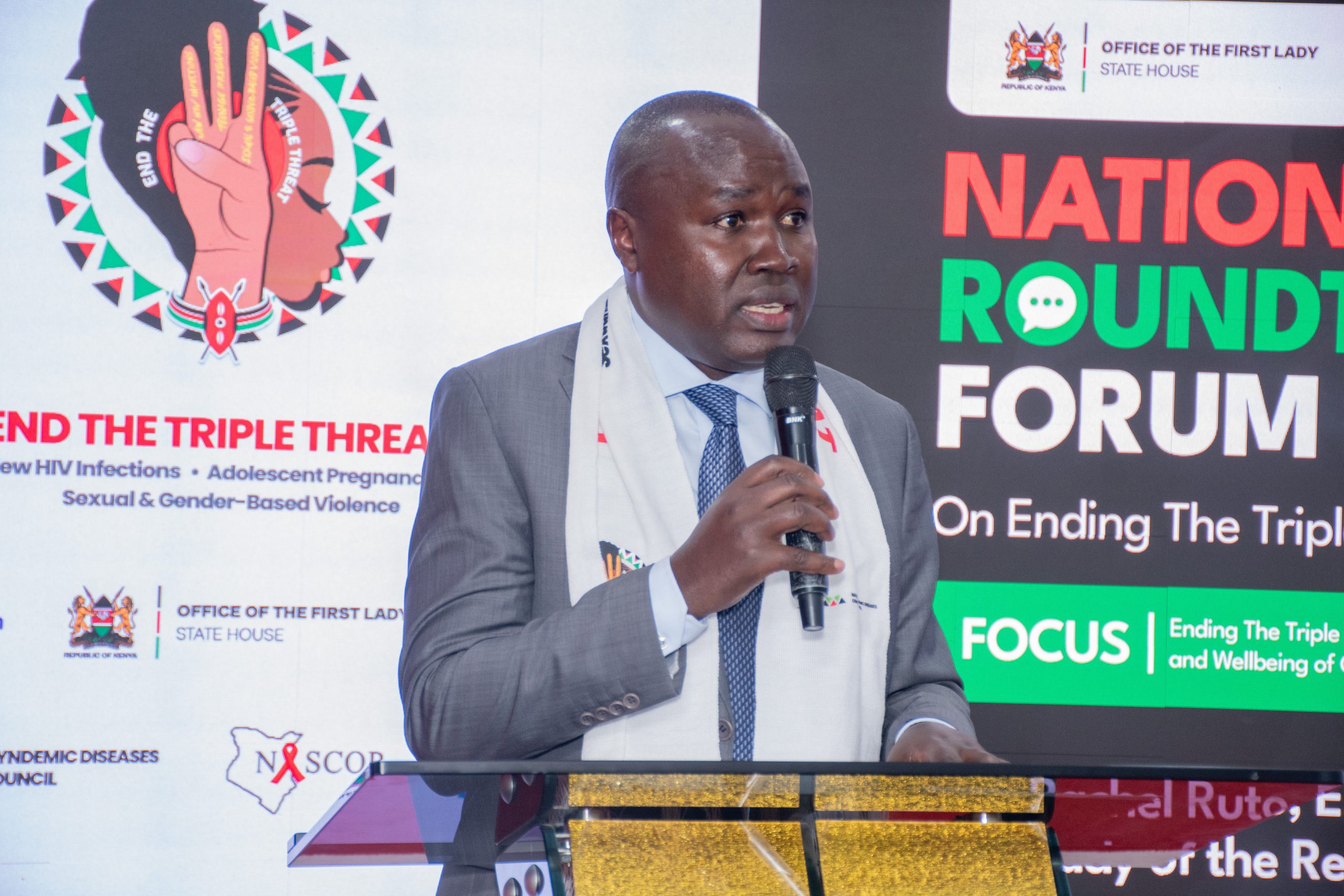
NSDCC CEO Douglas O. Bosire said the interconnected challenges require coordinated action across sectors, bringing together government, communities, partners and young people.
The roundtable reaffirmed the need for a whole-of-society approach, with stakeholders committing to strengthen prevention, protection and adolescent-friendly services to safeguard the health, safety and future of Kenya’s young people.





Leave A Comment