
Summary
At the Maralal International Camel Derby, Vivian and Gideon Lekerap are using youth-led conversations to promote HIV prevention, prevent adolescent pregnancies and address gender-based violence.
Amid the crowds at the Maralal International Camel Derby, Vivian is having conversations that are not always easy to start.
Some young people welcome her health messages. Others prefer to meet privately, away from the attention of friends, relatives or elders.
For the 24-year-old Maisha Youth champion, the hesitation highlights a challenge facing efforts to improve young people's access to sexual and reproductive health information: ensuring they feel comfortable seeking information and prevention services without fear of judgement.
“We are here to help young people address the Triple Threat, which includes teenage pregnancy, gender-based violence and HIV,” she says.
The need is reflected in Samburu County's 2026 HIV estimates, published by the National Syndemic Diseases Control Council (NSDCC). The county has an estimated 2,785 people living with HIV, including 193 children aged 0–14 years. HIV prevalence among people aged 15 and above stands at 1.38%, according to the estimates.
The figures underscore the importance of continued prevention, testing and treatment efforts, alongside accessible information for young people.
Starting conversations, building trust
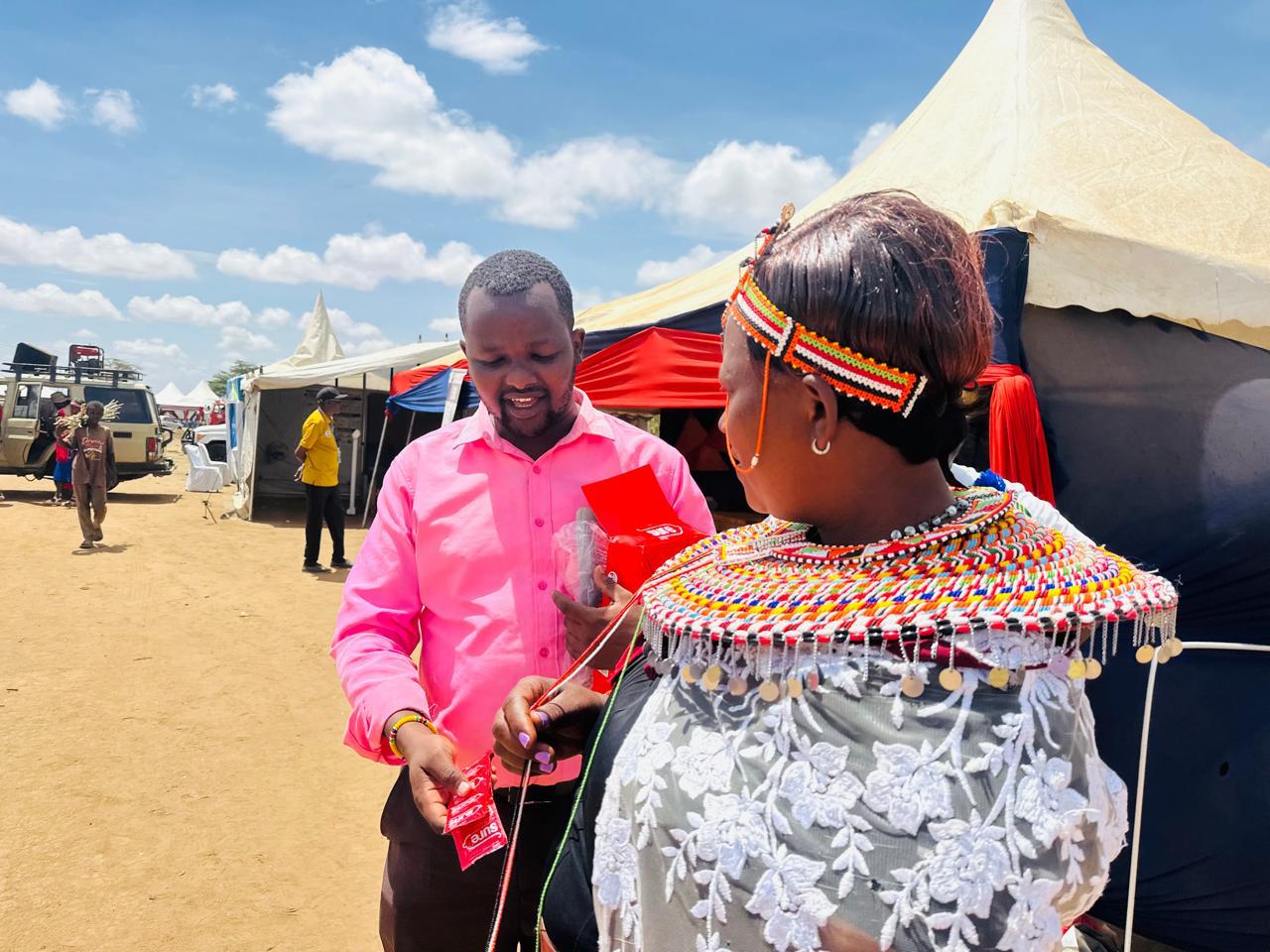
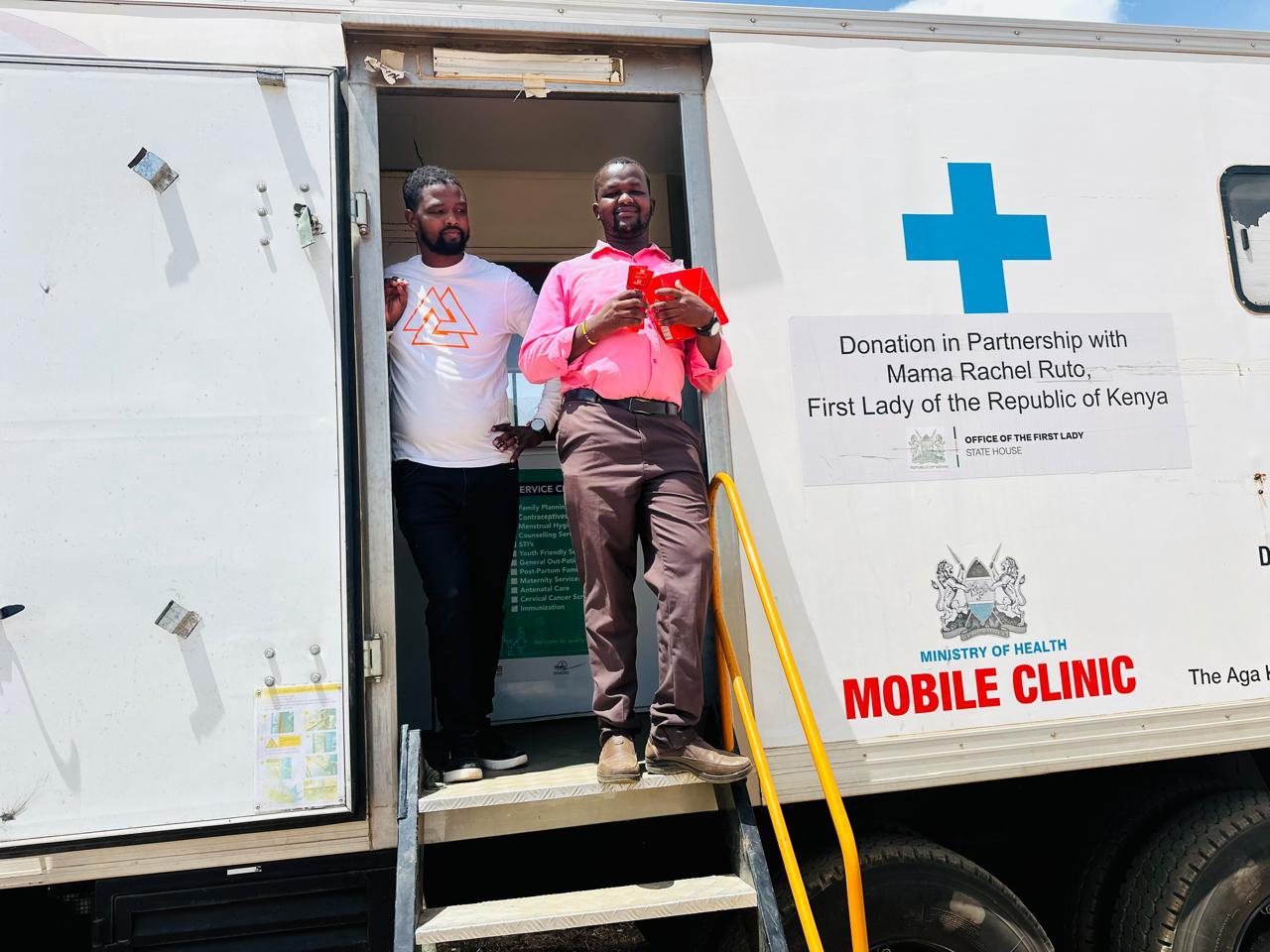
For Gideon Lekerap, chairperson of Maisha Youth in Samburu County, the annual camel derby provides an opportunity to reach young people who may not otherwise engage with health outreach activities.
He and other youth champions discuss HIV prevention, correct condom use, adolescent pregnancy and the prevention of gender-based violence. They also use familiar cultural structures to make their messages relevant to different age groups.
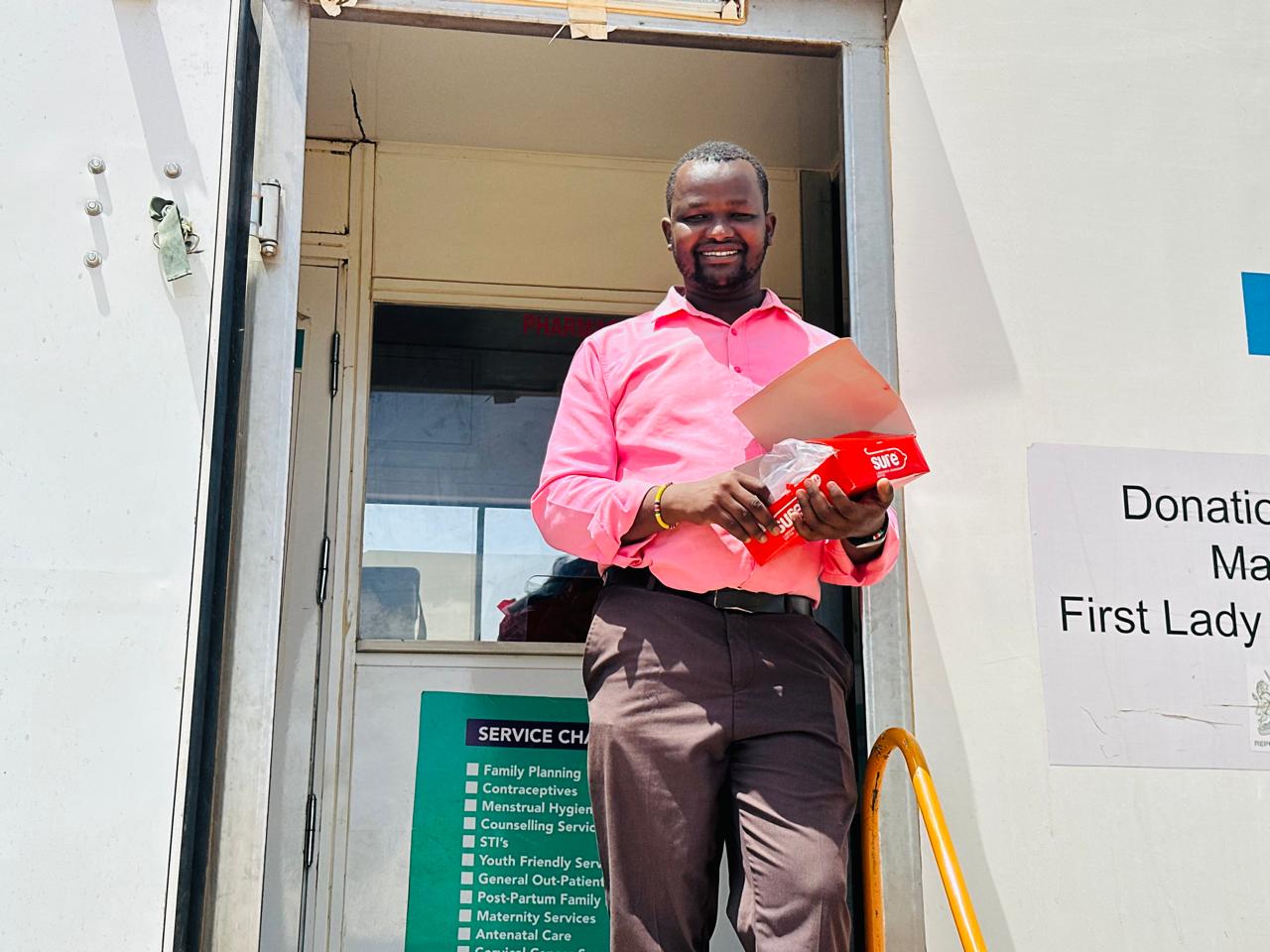
Yet cultural expectations can influence how young people access prevention services. Some young men, Gideon says, feel uncomfortable collecting condoms in front of older women or relatives.
The champions respond by seeking discreet ways to provide condoms and create opportunities for open conversations.
Their outreach extends beyond the derby. They use TikTok and collaborate with local artists who communicate in the Samburu language, helping make health information accessible to audiences who may be less comfortable with English or Kiswahili.
Maisha Youth, a programme under NSDCC, places young people at the centre of community-level awareness and prevention efforts.
Reaching further, looking ahead
Despite progress, distance, insecurity and limited access to information can make it difficult to reach some communities across Samburu, particularly remote areas.
Gideon says sustained outreach through community activities, radio, social media and partnerships could help extend health messages to more young people.
For Vivian and Gideon, the work requires patience and consistency. A young person may not be ready to ask questions or access prevention services during the first encounter, but a respectful conversation can create an opportunity for future engagement.
Their message is that young people need accurate information, accessible services and supportive environments in which they can make informed decisions about their health.
At the camel derby, those conversations continue between the races and cultural celebrations. The hope is that the messages will travel beyond the event, reaching young people in their homes, social networks and communities.
For the two champions, every conversation is a chance to build trust, and help young people take steps towards healthier futures.


Leave A Comment