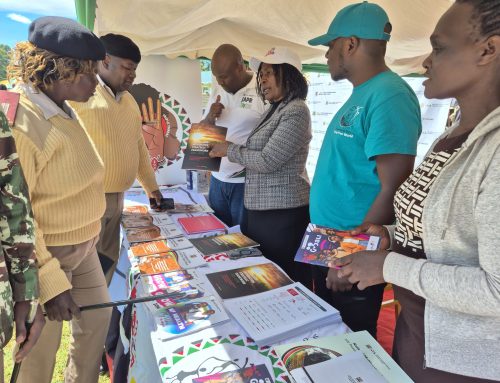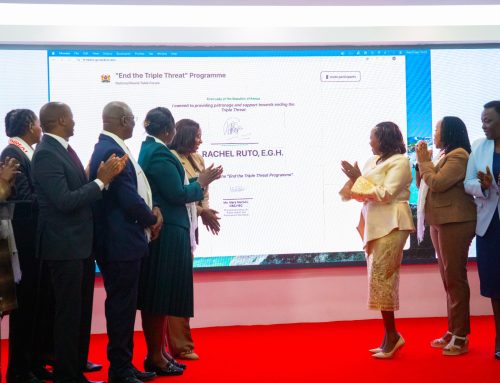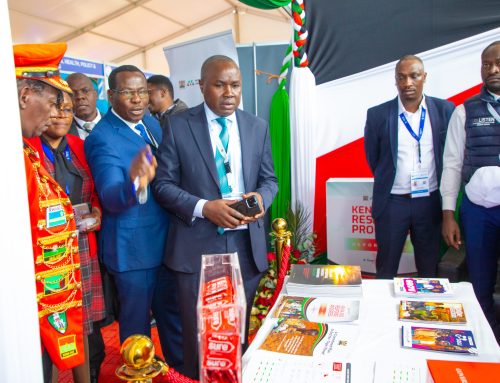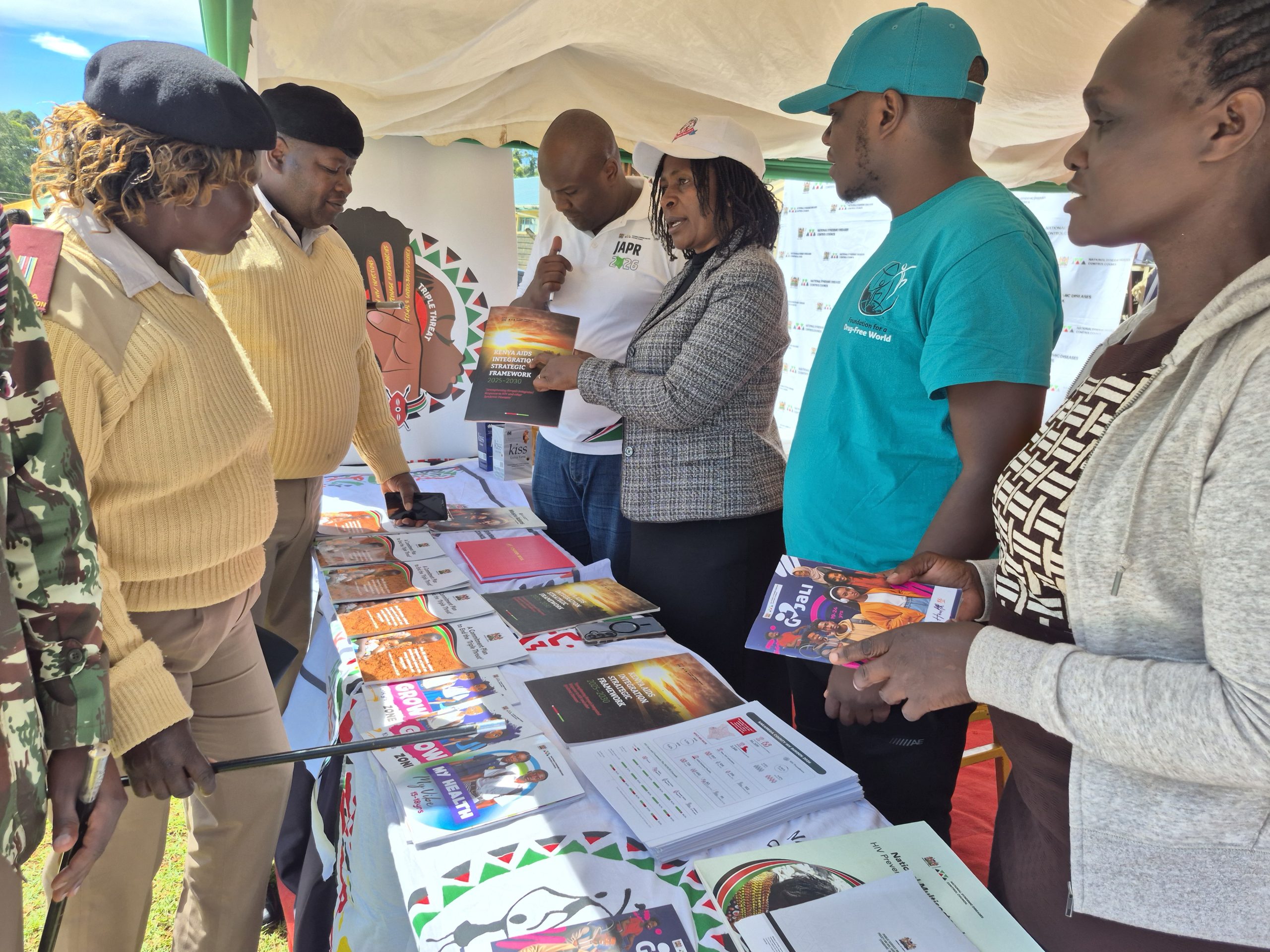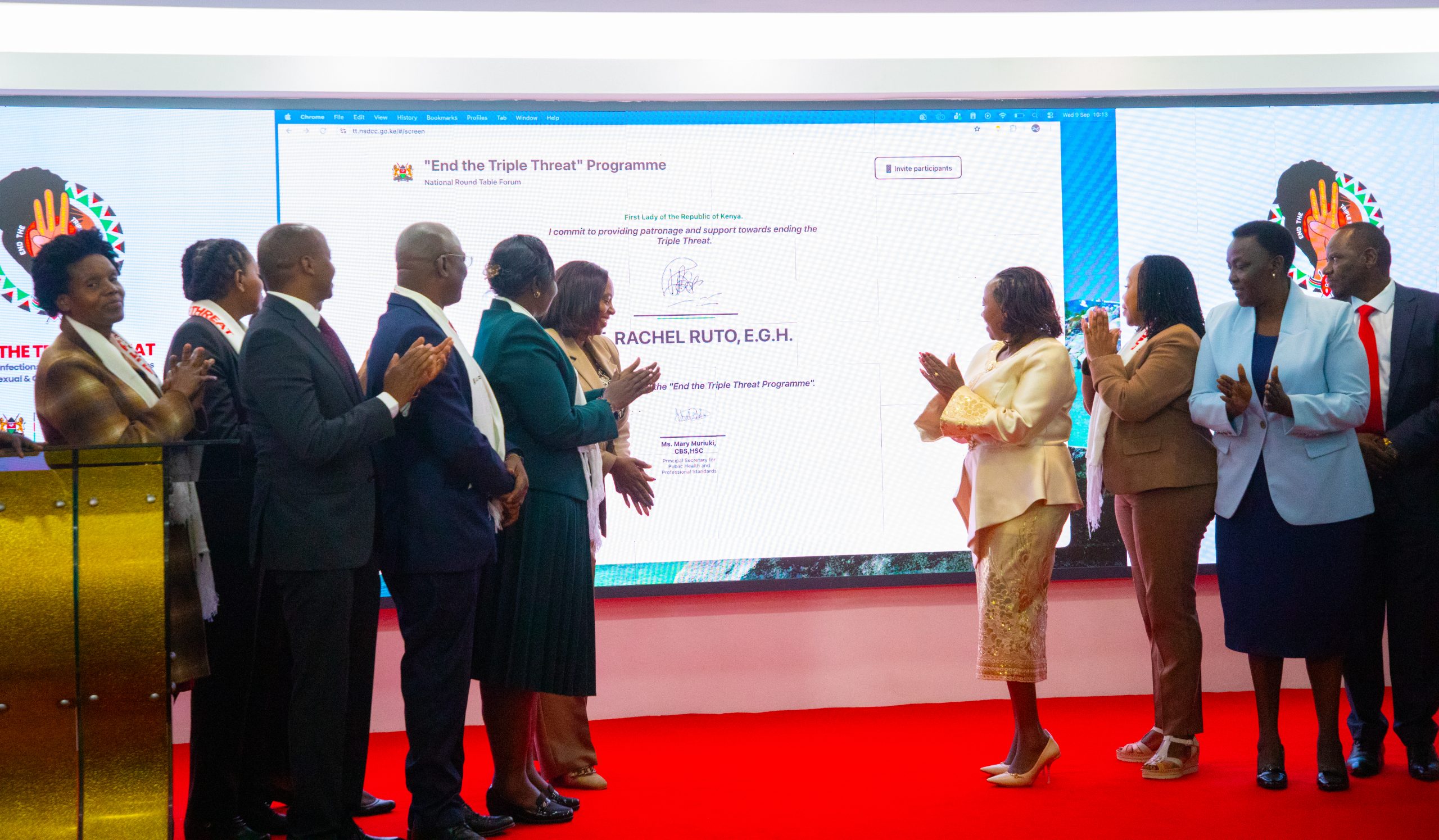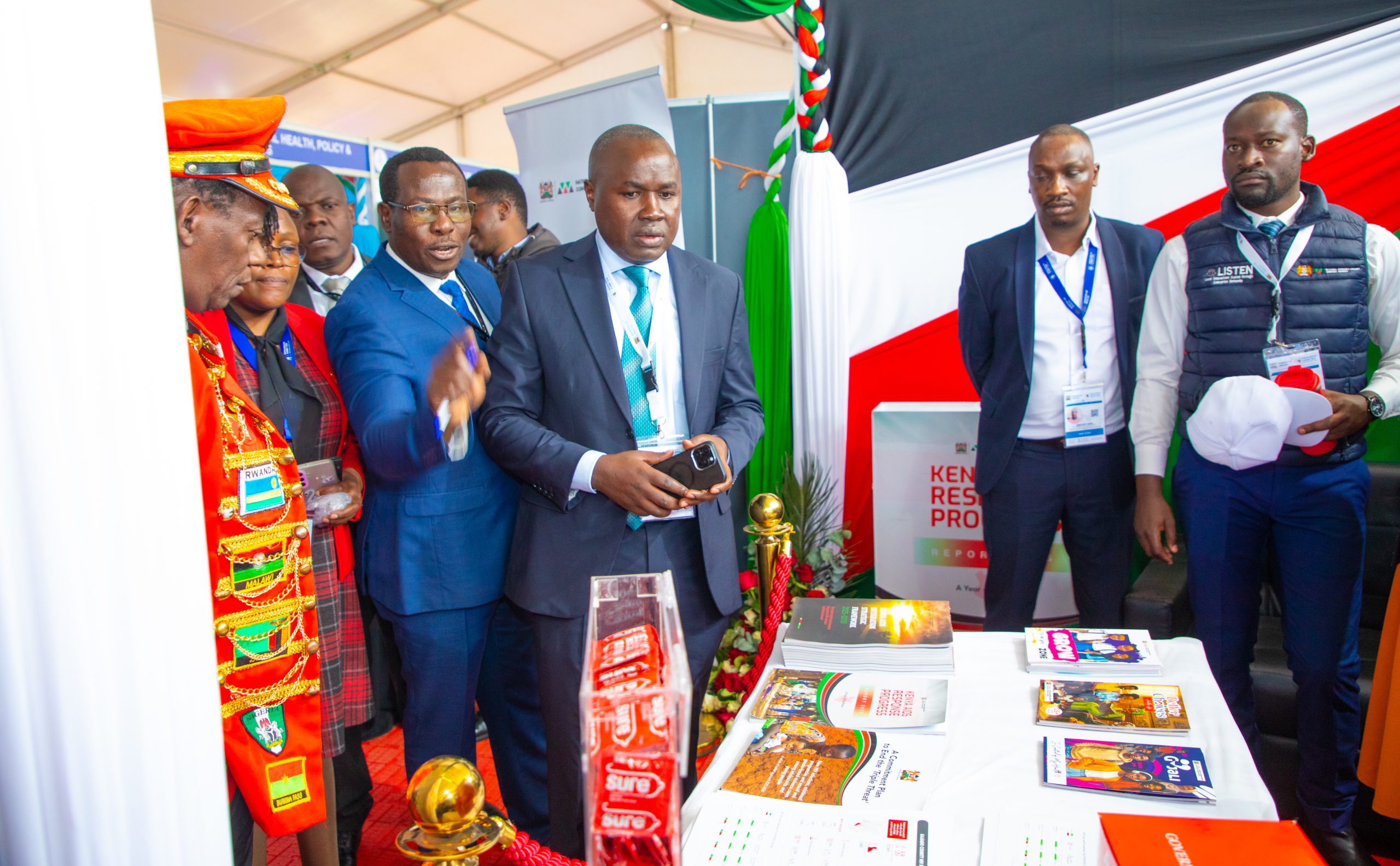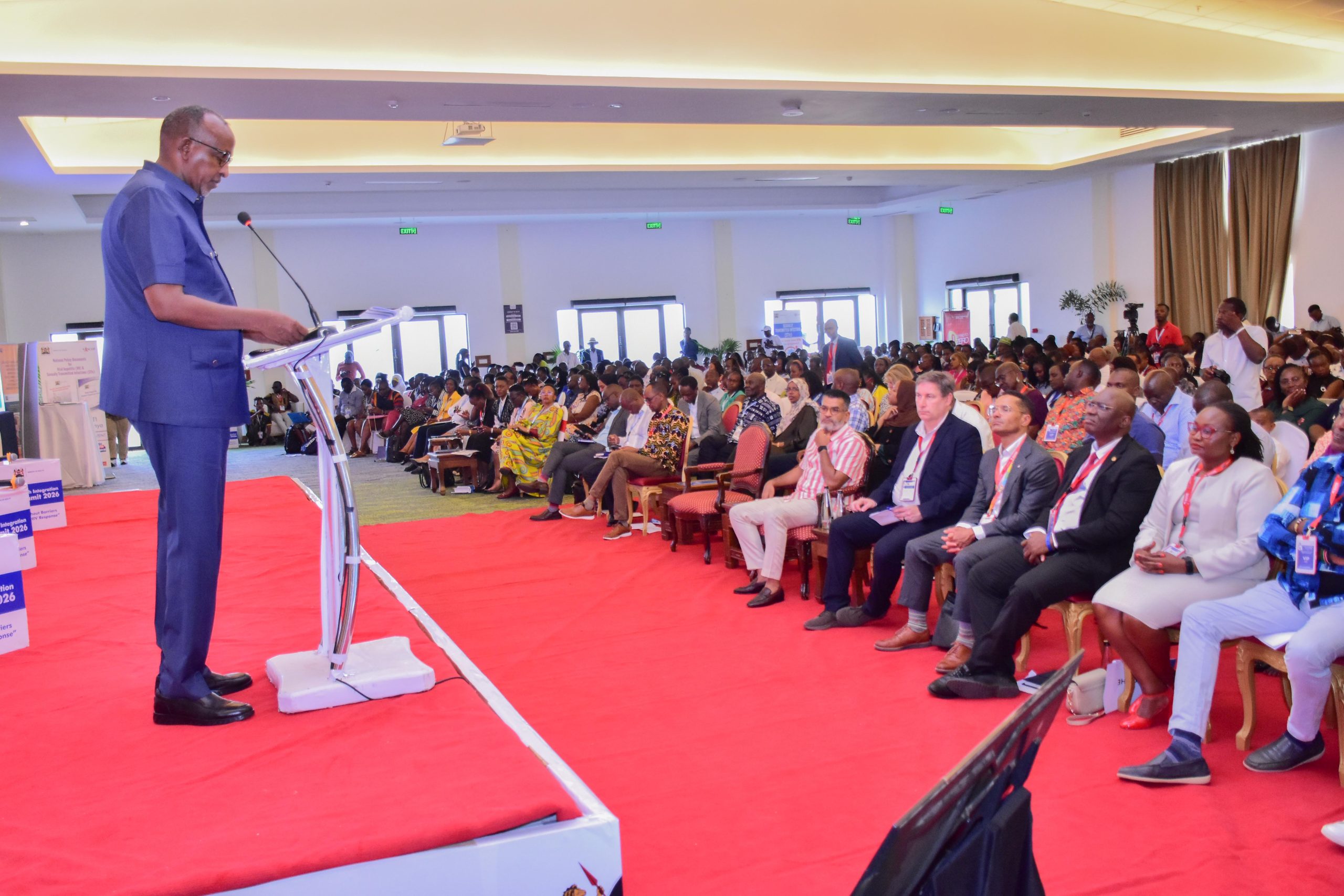
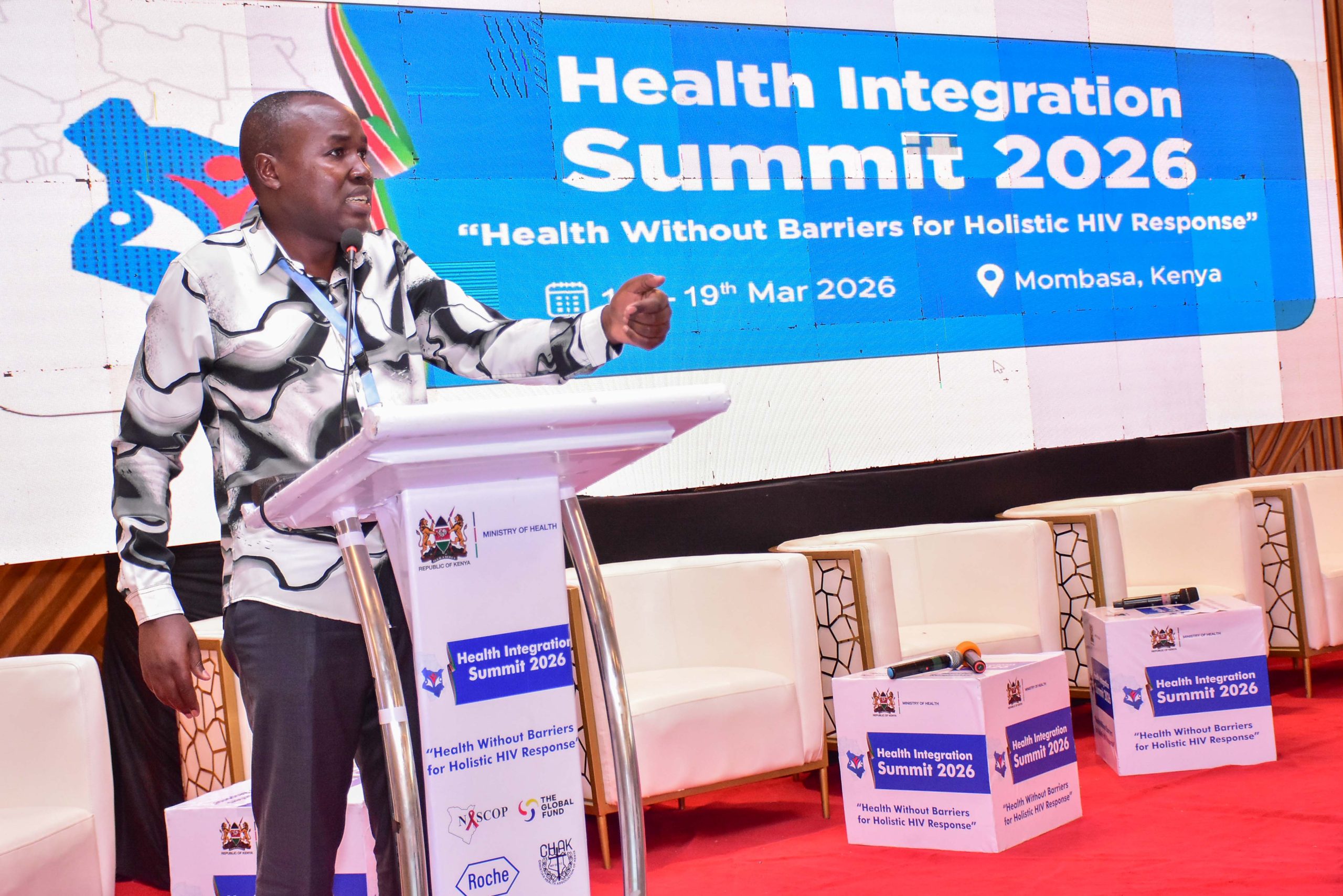
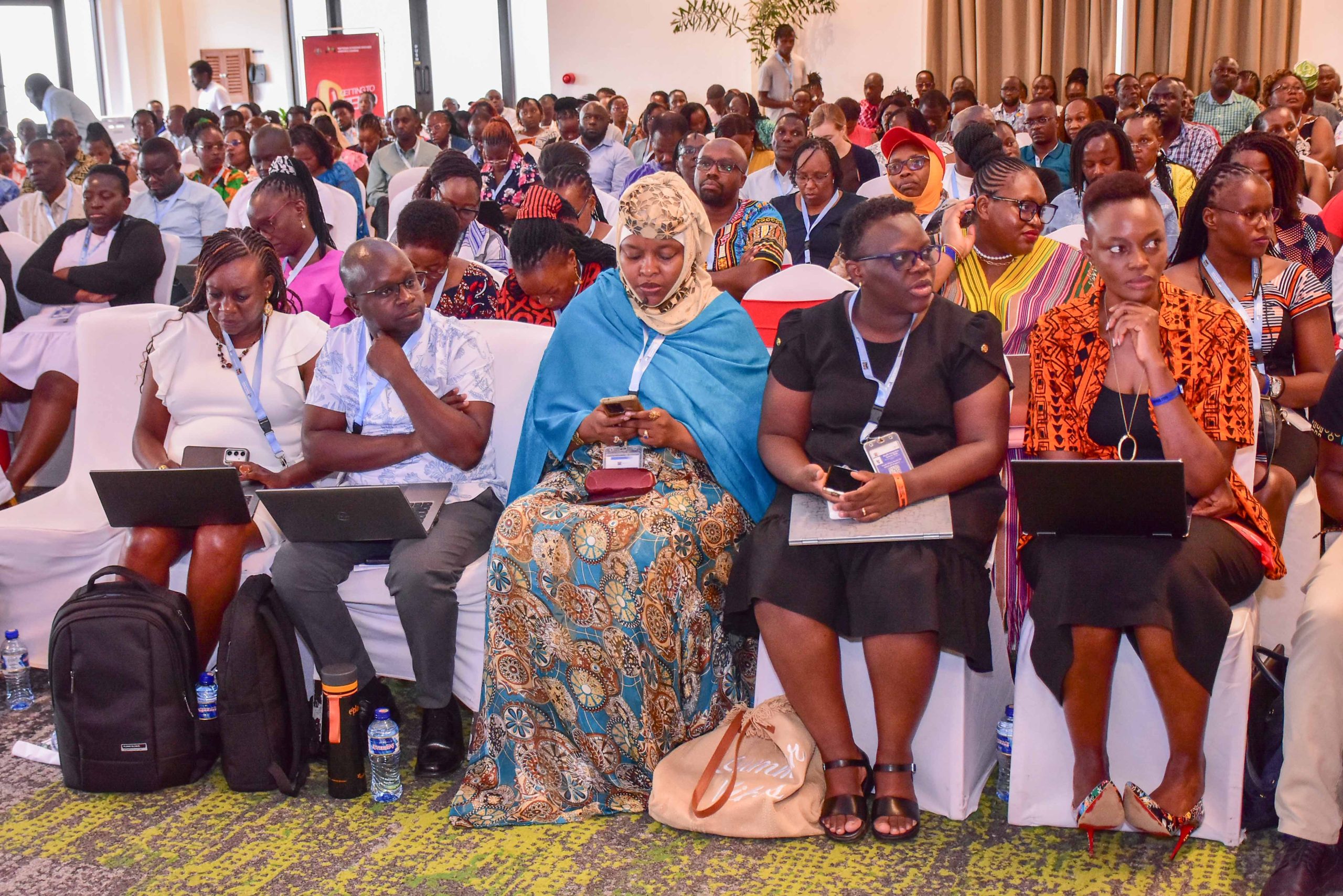
The National Syndemic Diseases Control Council participated at the Health Integration Summit in Mombasa from 15–19 March 2026 where we partnered with the National AIDS and STI Control Programme among other key health partners to advance integrated, people-centred health services aimed at strengthening HIV responses and broader health outcomes in Kenya. The Summit was inaugurated by Hon. Aden Bare Duale, EGH, CS Ministry of Health.
Speaking during the Summit, Dr. Ouma Oluga Permanent Secretary, State Department of Medical Services noted that funding cuts have forced the health sector to rethink how services are delivered, and integration is no longer optional, it must happen. He called on all stakeholders to agree on what integration really means, identify what has been holding progress back, and leave the summit with clear, practical actions. He emphasized that integration should focus on people's real needs, not just programs, and urged everyone to take responsibility and work together to build one strong, connected health system that works for all Kenyans.
On his part, NSDCC Ag. CEO Douglas O. Bosire who graced the occasion noted that placing Community Day within the summit reflects the importance of integrating communities into health discussions and solutions. He noted that while Kenya has made progress in strengthening health systems, many people still face fragmented services, stigma, and gaps in care. He called for communities to be at the centre as co-designers, implementers, and evaluators of integrated health services.
Mr. Bosire also highlighted key challenges including stigma in integrated services, gaps in healthcare worker preparedness, limited access for key populations and persons with disabilities, and the need to better reach young people, men and boys, and underserved regions.
With the theme, "Health Without Barriers for Holistic HIV Response," the Summit which was attended by more than 500 participants reflected on 5 thematic pillars: Sustainable Financing and Donor Transition for HIV programs, Health Workforce Strengthening for Sustainable HIV Service Delivery, Resilient Supply Chains and Local Manufacturing of HIV Commodities; Digital Health Technologies and Data-Driven HIV Programming; and Integrated People-Centred Service Delivery.
The Summit provided a national platform for collective reflection, learning, and commitment. It also helped advance Kenya's HIV integration agenda by aligning stakeholders around shared priorities, scaling up best practices, and addressing system-level bottlenecks that hinder integration.